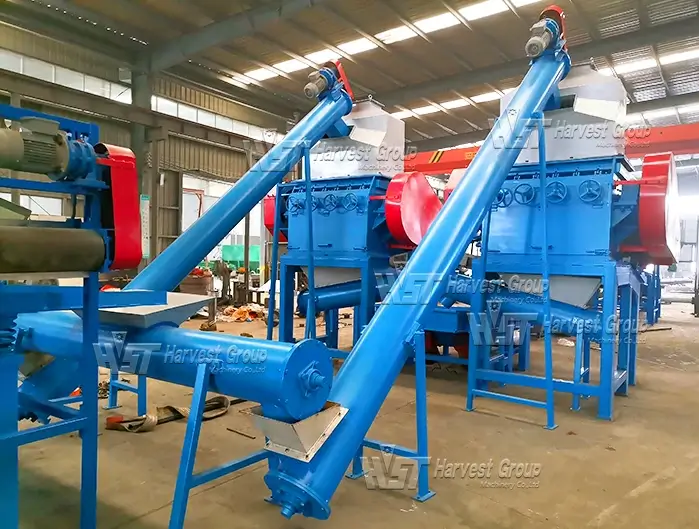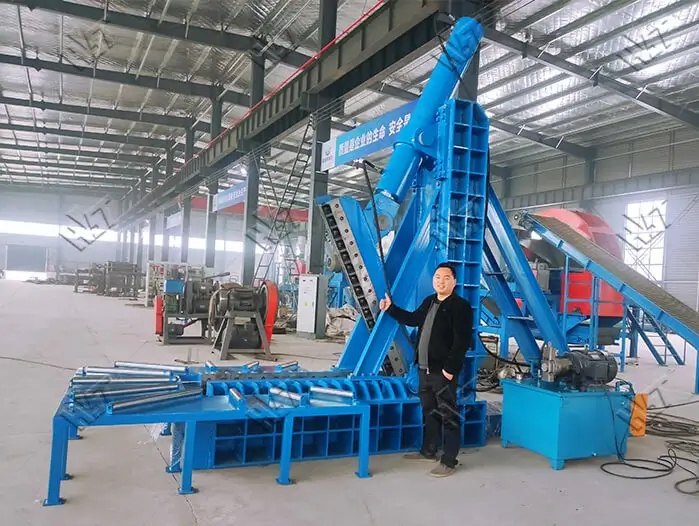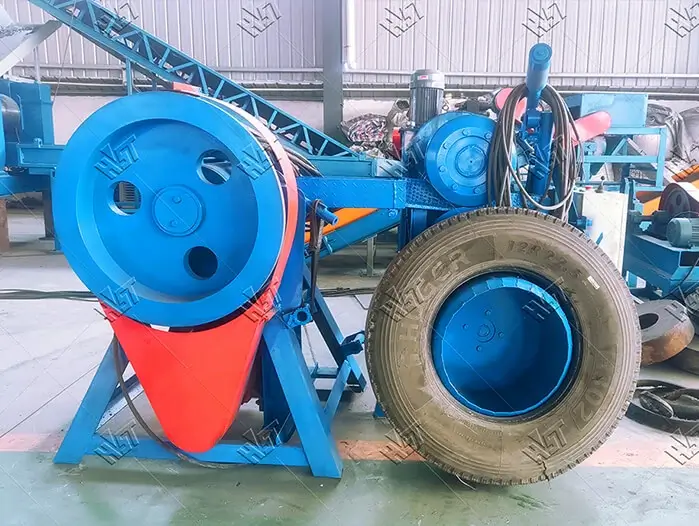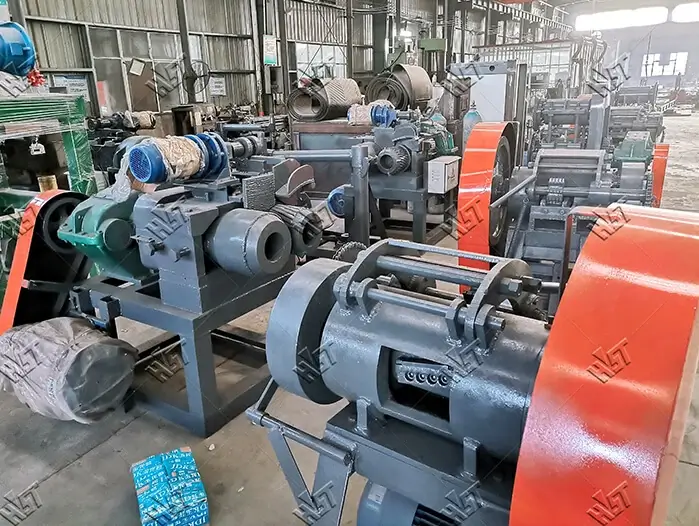
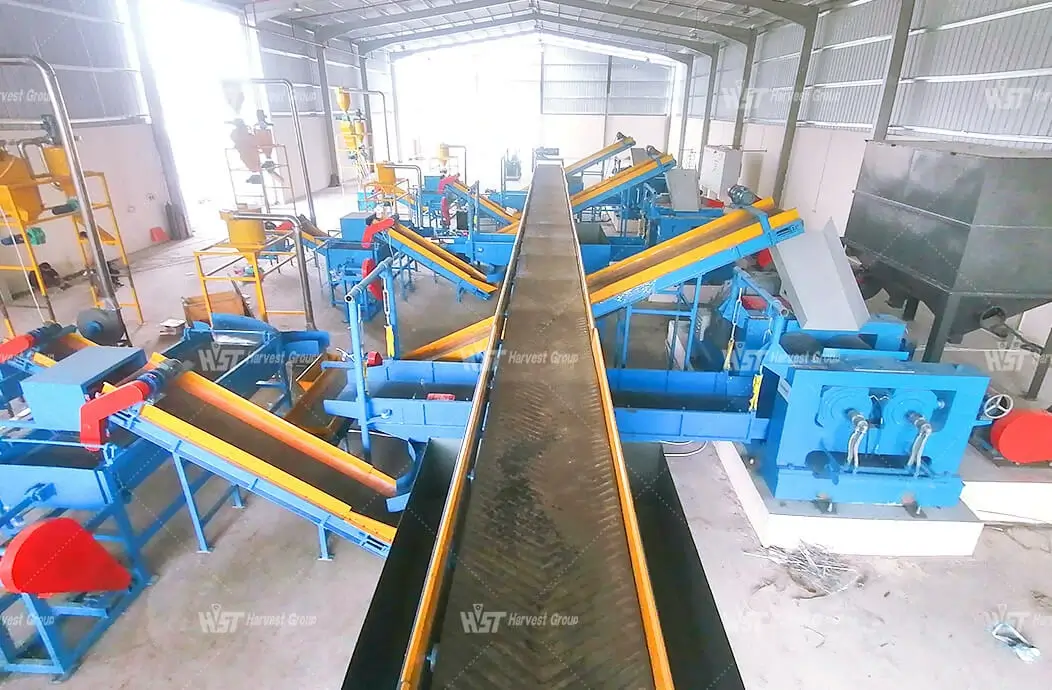


The rubber cracking mill, also known as a rubber grinding machine, is the key equipment used to produce rubber powder from waste tires.
As the final stage in a complete tire recycling line , it processes rubber granules into 5–40 mesh crumb rubber with stable output and uniform particle size.
In industrial applications, this machine is also referred to as a rubber powder machine and is widely used in tire recycling systems.
A rubber cracking mill is a heavy-duty grinding machine used in tire recycling systems to reduce rubber granules into smaller particles. It is also commonly referred to as a rubber grinding machine, tire grinding machine, or crumb rubber machine.
Unlike rubber mixing mills, which are used for compounding rubber, a cracking mill is specifically designed for size reduction and material processing in recycling applications.
Produces uniform rubber powder with stable particle size (5–40 mesh).
Designed for industrial production with stable output and high efficiency.
Equipped with wear-resistant chilled cast iron rollers for long service life.
Roller gap can be adjusted to control rubber powder fineness.
Optimized system reduces energy usage while maintaining high output.
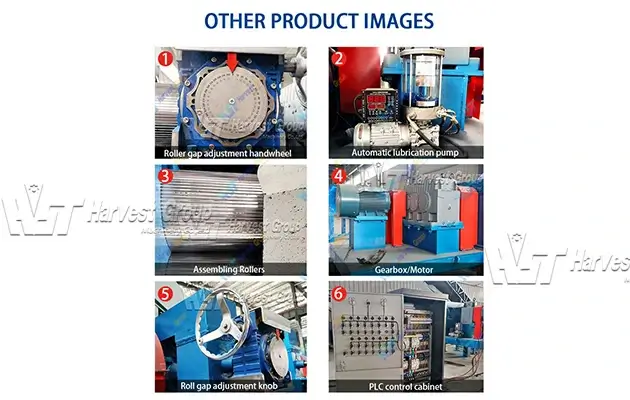
We provide different models of rubber cracking mills (XKP series) to meet various capacity requirements. Whether you need a standalone rubber grinding machine or integration into an existing recycling system, our engineers can recommend the best configuration.
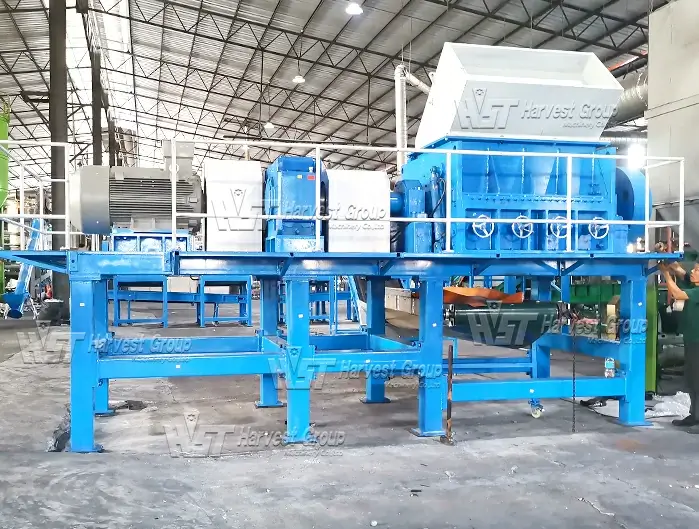
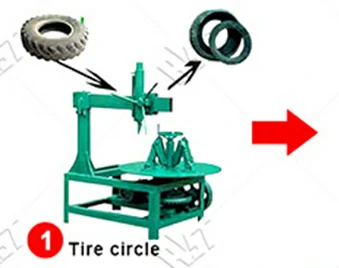
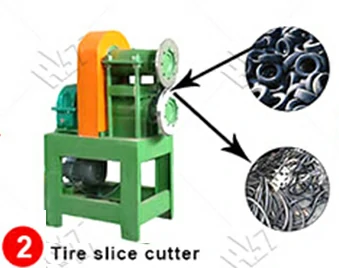
Tire shredder → Rasper machine → Granulator → Rubber cracking mill → Screening system
We provide customized solutions based on capacity, raw material, and output requirements.

Output Size: 5–40 mesh
Material: Waste tires
Application: Asphalt, tiles, industrial rubber
Quality: Uniform particle size
Production Type: Continuous operation
System: Integrated with full recycling line
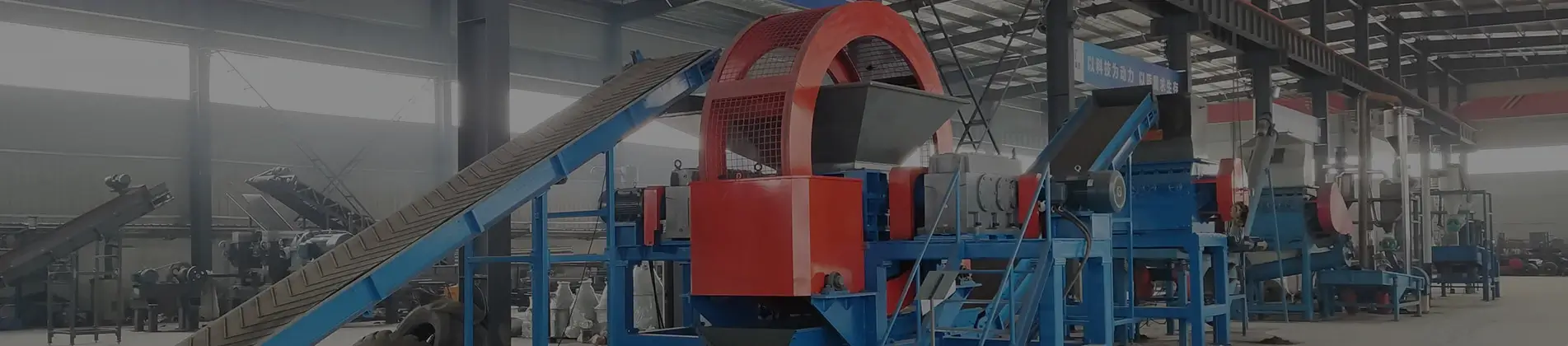
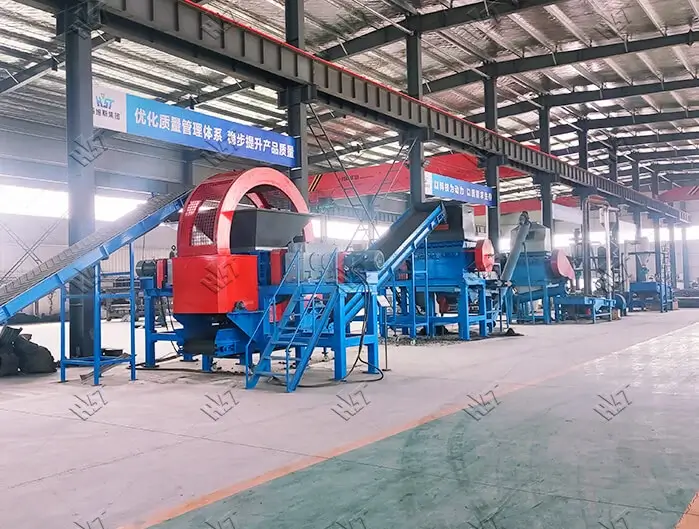
The rubber cracking mill is part of a complete tire recycling system, which converts waste tires into rubber powder step by step.
Typical processing flow:
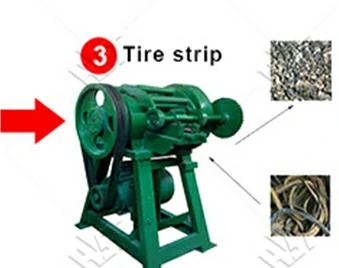
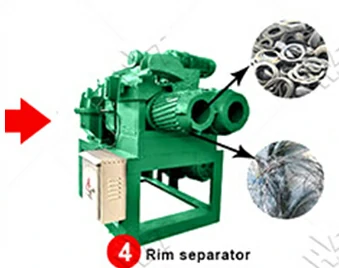
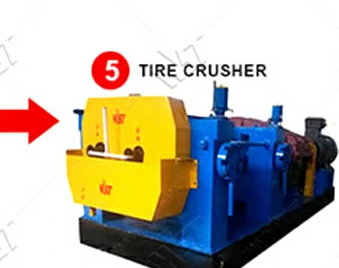
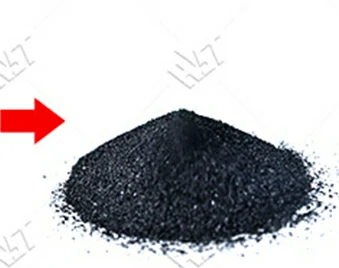
|
Model |
Drum diameter |
Drum length |
Front roll linear |
Roll speed ratio |
Max roller spacing |
Motor power |
Remarks |
|
XKP-350 |
350mm |
500mm |
26.2m/min |
1:2.5 |
8mm |
30kw |
Antifriction bearing |
|
XKP-400 |
400mm |
600mm |
34.5m/min |
1:2.5 |
8mm |
45kw |
Antifriction bearing |
|
XKP-450 |
450mm |
760mm |
38m/min |
1:2.5 |
8mm |
55kw |
Antifriction bearing |
|
XKP-560 |
560mm |
800mm |
38.6m/min |
1:2.5 |
8mm |
90kw |
Antifriction bearing |
|
XKP-610 |
610mm |
1000mm |
42.5m/.min |
1:2.5 |
8mm |
132kw |
Antifriction bearing |
|
XKP-680 |
680mm |
1000mm |
48.5m/min |
1:2.5 |
8mm |
250kw |
Antifriction bearing |
|
XKP-710 |
710mm |
1100mm |
48.5m/min |
1:2.5 |
8mm |
280kw |
Antifriction bearing |
|
XKP-810 |
810mm |
1100mm |
48.5m/min |
1:2.5 |
8mm |
315kw |
Antifriction bearing |
Typically 5–40 mesh, and can be further processed into 30–120 mesh powder.
Yes, when combined with a fine grinding system, it can produce high-quality rubber powder.