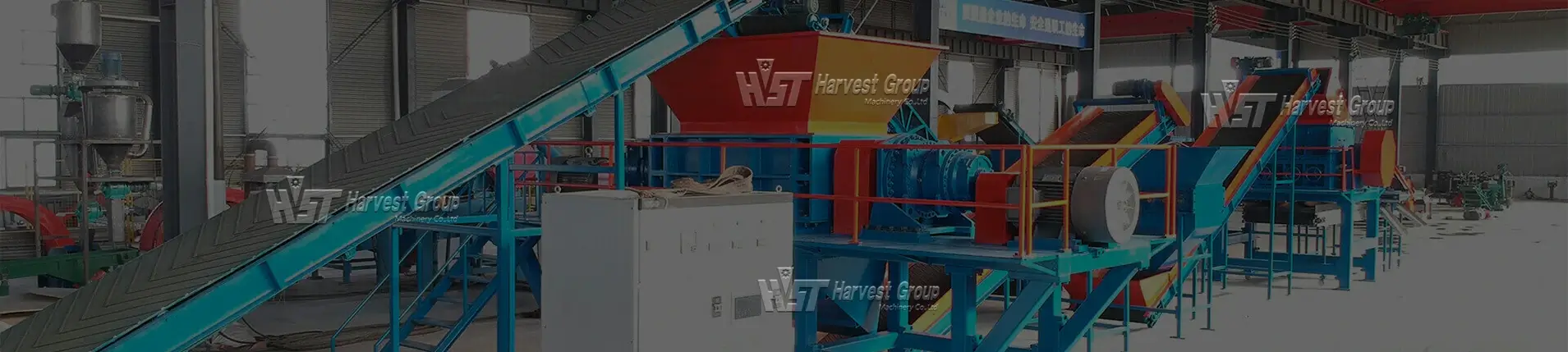
Rubber mulch has become a popular alternative to traditional wood mulch in landscaping, playgrounds, and outdoor spaces. Made from recycled tires, it offers long-lasting performance, low maintenance, and environmental benefits.
What many buyers and homeowners don’t realize is that rubber mulch can also be produced on a small scale. With the right approach, waste tires can be transformed into a valuable material for gardens, walkways, and safety surfaces.
This guide explains how to make rubber mulch step by step, while also showing when it makes sense to move from DIY production to professional tire recycling equipment.
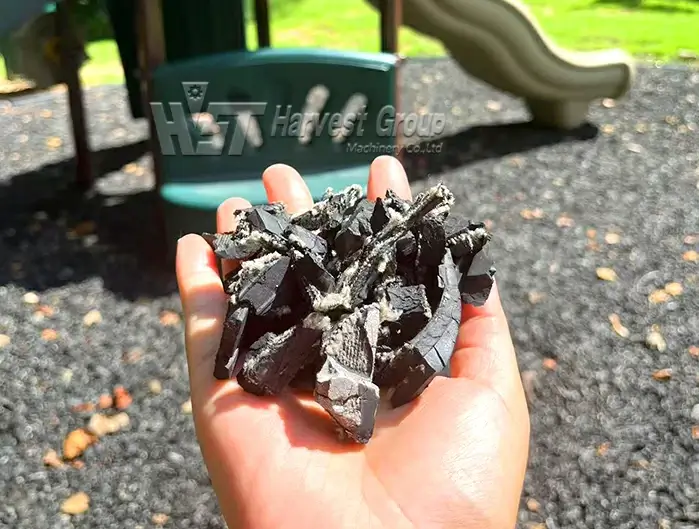
Unlike wood chips that decompose quickly, rubber mulch maintains its structure for years. It does not rot, absorb moisture excessively, or attract insects. This makes it a preferred option for both residential and commercial landscaping.
It also helps reduce weed growth, protects soil from erosion, and provides cushioning in high-impact areas such as playgrounds. Because it is made from recycled tires, it contributes directly to reducing environmental waste.
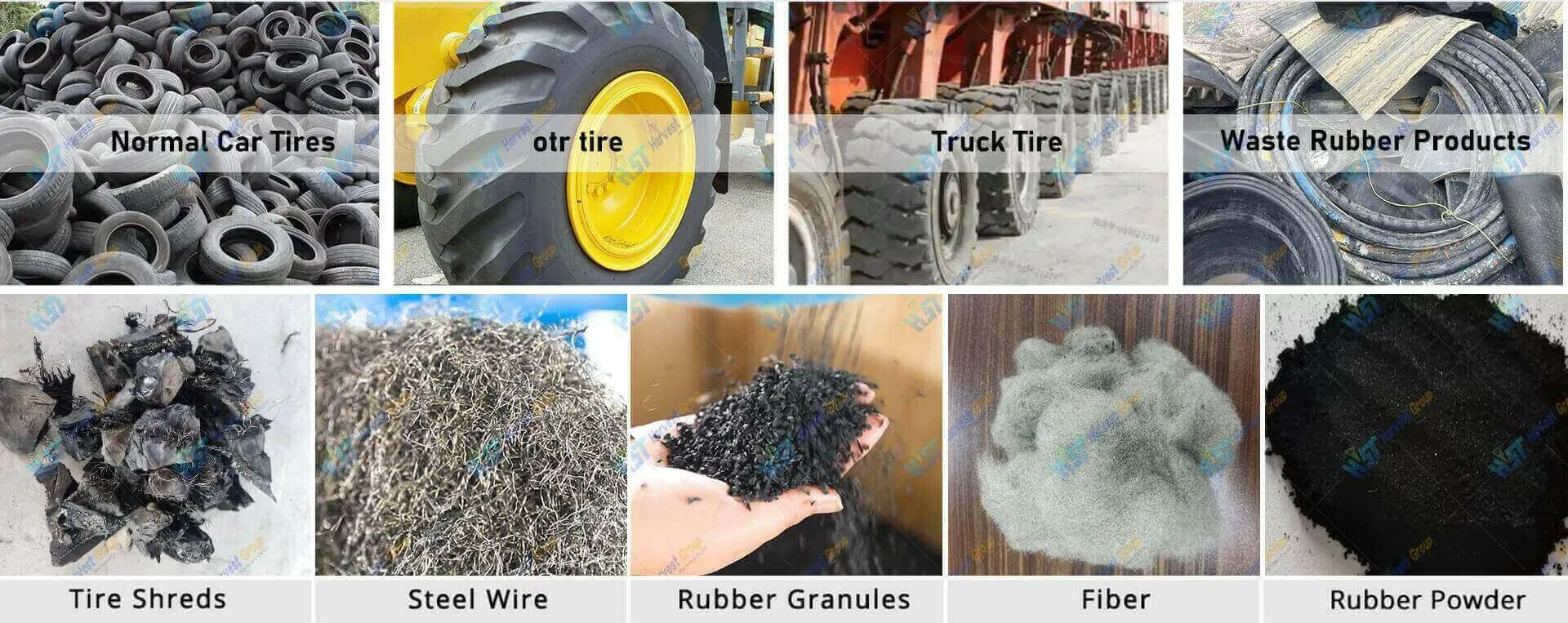
For small projects such as home gardens or backyard landscaping, producing rubber mulch yourself is possible. Many users choose this approach to reduce cost and customize the material.
However, it requires proper tools and careful handling. Tires are tough materials, and processing them without suitable equipment can be inefficient and unsafe.
DIY methods are best suited for small areas. If the goal is commercial production or large-scale supply, professional equipment becomes necessary.
The process starts with collecting used tires from local sources such as repair shops or recycling centers. Tires of different sizes can be used, as they will all be broken down during processing.
Before shredding, any metal components inside the tire must be removed. Many tires contain steel wire, which can damage equipment or affect the safety of the final product. Manual tools or magnetic separation can be used for this step.
The next stage is shredding. A tire shredder is used to break the tires into smaller rubber pieces. This is the most important step, as it determines the initial size of the material.
After shredding, additional separation is often required to remove any remaining steel or fiber. Cleaner material leads to safer and higher-quality rubber mulch.
For better consistency, the rubber can be further processed into smaller and more uniform particles. This improves both appearance and performance, especially for landscaping or playground use.
If color is required, special rubber-safe coatings can be applied. These coatings are designed to withstand outdoor conditions and maintain appearance over time.
Finally, the material is dried and prepared for use. Once ready, it can be spread directly across garden beds, pathways, or play areas.

Rubber mulch is typically applied in a thin, even layer. Compared to wood mulch, less thickness is required to achieve the same coverage effect.
It can be used around plants, along walkways, or in outdoor recreational areas. The material stays in place well and does not need frequent replacement.
Maintenance is minimal. Occasional cleaning and light leveling are enough to keep the surface in good condition.
In some projects, especially playgrounds or high-traffic areas, loose rubber mulch may not be sufficient.
A more advanced option is poured rubber mulch, where rubber granules are mixed with a binder to form a solid surface. This type of installation creates a seamless, durable layer that does not shift over time.
It is widely used for safety flooring, walkways, and commercial landscaping projects where stability and long service life are critical.
While DIY production works for small applications, large-scale demand requires industrial processing.
A complete tire recycling system can process several tons of tires per hour and produce consistent, high-quality rubber mulch. According to a typical production configuration , industrial lines can deliver outputs such as rubber chips, mulch, and fine granules for different applications.
These systems integrate shredding, steel separation, fiber removal, and size control into one automated process. Compared with manual methods, they provide higher efficiency, better purity, and more stable product quality.
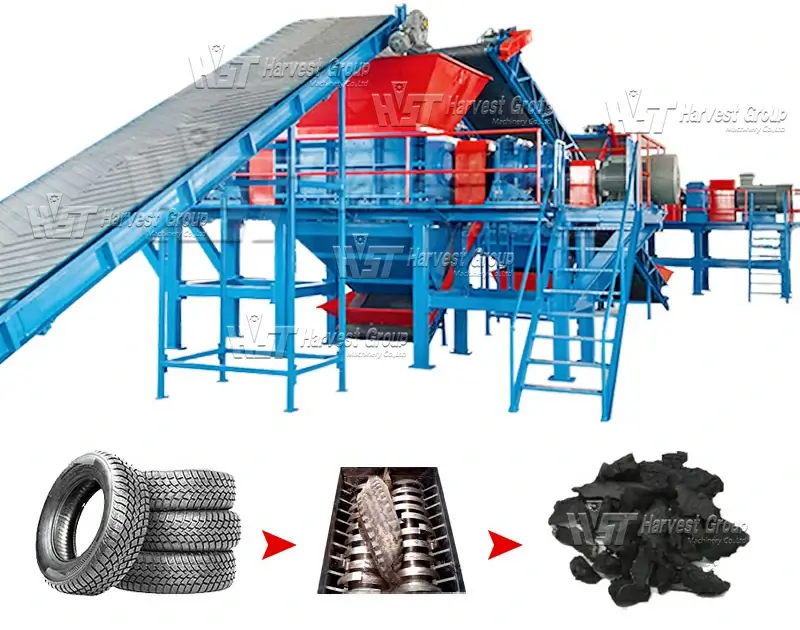
Professional rubber mulch production relies on a combination of machines working together.
A tire shredder performs the initial size reduction. Magnetic separation removes steel wire. Fiber separation ensures cleaner rubber material. A granulator controls the final particle size, while conveyor systems and PLC controls improve automation and stability.
This type of setup is essential for businesses looking to produce rubber mulch at scale.
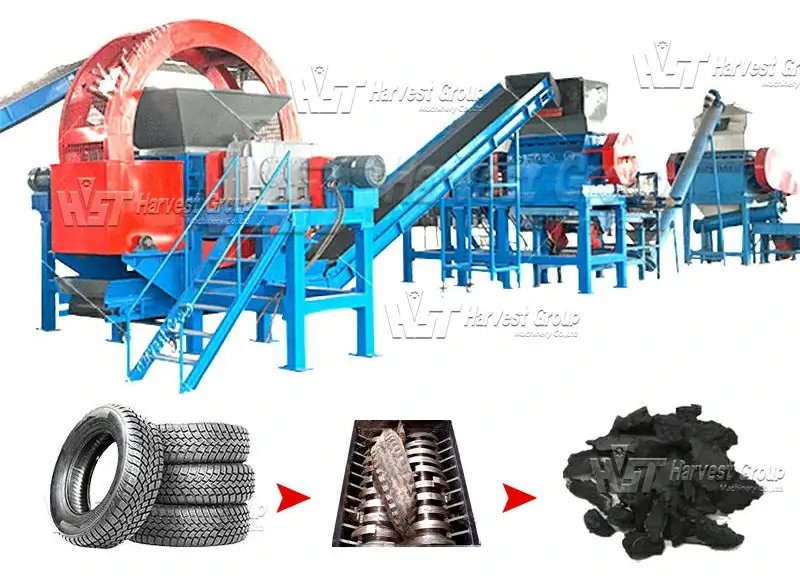
Manual processing is limited in output and consistency. Industrial systems, on the other hand, are designed for continuous operation.
They allow better control over particle size, improve material purity, and reduce labor costs. For companies entering the tire recycling market, this makes a significant difference in profitability.
If you are working on a small garden or a DIY landscaping project, making rubber mulch yourself can be a cost-effective and rewarding option.
If your goal is to supply rubber mulch, enter the recycling industry, or process large volumes of waste tires, investing in a complete tire recycling solution is the better choice.
Rubber mulch production is not just a DIY activity. It is also a growing business opportunity driven by global demand for sustainable materials.
Whether you are starting small or planning industrial production, choosing the right method and equipment is key.
If you are considering building a rubber mulch production line, it is important to evaluate your raw materials, capacity needs, and final product requirements before selecting equipment.

Is rubber mulch safe for children and pets
When properly processed and free from metal contaminants, rubber mulch is safe for playground and residential use.
How long does rubber mulch last
It can last more than ten years without significant degradation, much longer than wood mulch.
Can I make rubber mulch without a shredder
It is not recommended. Tires are extremely tough, and proper shredding equipment is necessary for safe and efficient processing.
What size rubber mulch is best for landscaping
Larger pieces are suitable for gardens, while smaller, uniform particles are better for playgrounds and decorative applications.
Does rubber mulch require maintenance
Very little maintenance is needed. Occasional cleaning and leveling are enough to maintain performance.
When should I consider industrial equipment
If you need consistent quality, higher output, or plan to sell rubber mulch, industrial equipment is the better option.