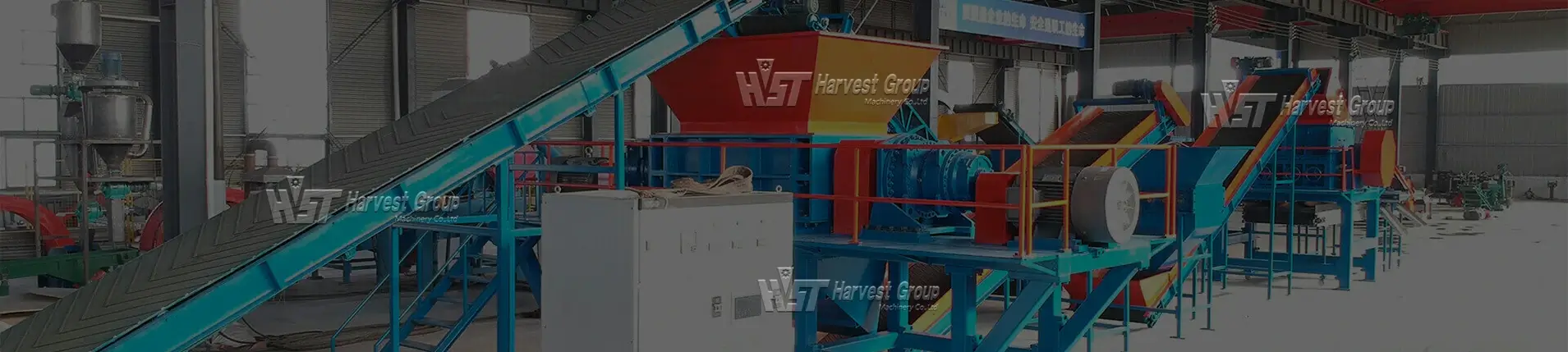
Tire-derived fuel (TDF) is one of the most efficient and environmentally friendly ways to recycle waste tires. Instead of sending scrap tires to landfills, recycling facilities can convert them into high-energy fuel chips used by industrial facilities.
TDF is widely used in cement kilns, power plants, metallurgical plants, and industrial boilers. Due to its high calorific value, tire-derived fuel can replace traditional fossil fuels such as coal and petroleum coke.
Modern tire recycling plants use heavy-duty shredding systems to process whole scrap tires into uniform rubber chips. These chips typically range from 25–75 mm (1–3 inches) and can be directly used as fuel.
With growing energy demand and stricter environmental regulations worldwide, TDF recycling is becoming an increasingly important part of the global waste management industry.
Tire-derived fuel is produced by shredding scrap tires into rubber pieces suitable for combustion.
According to the U.S. Environmental Protection Agency (EPA), tire-derived fuel provides:
Energy content comparable to oil
About 25% more energy than coal
Lower moisture content
Lower sulfur emissions
Reduced ash residue
These advantages make TDF an attractive alternative fuel for many energy-intensive industries.
TDF systems typically produce rubber chips sized 1–3 inches, which burn efficiently in high-temperature industrial furnaces.
A complete tire-derived fuel production line converts whole scrap tires into fuel chips through several mechanical steps.
Scrap tires are loaded into the feeding conveyor system. The feeding system ensures continuous material flow to the shredding equipment.
Large truck tires or off-road tires may require pre-cutting before entering the shredder.
The primary shredding stage uses a two-shaft tire shredder.
The LIKE two-shaft tire crusher is specially designed for processing waste tires. It operates at low speed and high torque, reducing noise and energy consumption while delivering powerful crushing performance.
Key features include:
Low-speed high-torque design
Stable crushing of steel-reinforced tires
Reduced operational noise
Long service life of blades
The shredder blades are manufactured from high-quality alloy steel and undergo Bodycote heat treatment, which significantly improves wear resistance and durability.
Waste tires contain a large amount of steel reinforcement. After shredding, magnetic separators remove steel wire from the rubber material.
Recovered steel can be sold as scrap metal, creating additional revenue for recycling plants.
During the shredding process, nylon fiber from tire carcasses must also be removed.
Fiber separators and vibrating conveyors are commonly used to remove lightweight materials and improve the purity of rubber chips.
After shredding and separation, the final product is tire-derived fuel chips.
Typical TDF sizes include:
| Fuel Chip Size | Application |
|---|---|
| 25–50 mm | Industrial boilers |
| 50–75 mm | Cement kilns |
| 30–150 mm | Power plants |
These fuel chips can be transported directly to industrial users.
A typical tire-derived fuel production line includes the following machines:
Double shaft tire shredder
Belt conveyors
Magnetic separator
Nylon fiber separator
Vibrating conveyor
PLC control system
Automated PLC systems improve operational stability and reduce labor requirements.
Depending on equipment configuration, production capacity can range from:
300 kg/h to 4 tons/h
TDF is widely used across multiple industries.
Cement kilns are the largest consumers of tire-derived fuel. Their extremely high combustion temperatures allow tires to burn completely.
Power plants often co-fire TDF with coal to reduce fuel costs and improve energy efficiency.
Steel mills and metal processing facilities can use tire chips as a supplemental fuel source.
Industrial boilers in paper mills can also utilize tire-derived fuel.
In addition to fuel applications, shredded tires can also be used as tire-derived aggregate (TDA).
TDA is widely used in civil engineering projects as a lightweight fill material.
Advantages include:
1/3 the weight of soil
10× better drainage
8× better insulation
Lower cost than sand or gravel
TDA is commonly used for:
Landfill drainage
Road construction
Bridge abutments
Infrastructure drainage systems
Many investors compare different tire recycling technologies.
| Recycling Method | Final Product | Investment | Profit Stability |
|---|---|---|---|
| TDF | Fuel chips | Medium | Stable |
| Crumb rubber | Rubber granules | Medium | High |
| Pyrolysis | Oil + carbon black | High | Unstable |
TDF production is considered one of the most stable and reliable tire recycling solutions, especially in regions with strong cement or power industries.
The cost of a tire-derived fuel production line depends on several factors:
Plant capacity
Equipment configuration
Automation level
Installation requirements
Typical investment ranges:
| Capacity | Estimated Investment |
|---|---|
| 1 ton/h | $80,000 – $150,000 |
| 3 ton/h | $150,000 – $300,000 |
| 5 ton/h | $300,000 – $600,000 |
Operating costs mainly include electricity, labor, and maintenance.
However, revenue can be generated from:
Selling TDF fuel chips
Selling recovered steel wire
Waste tire disposal fees
The demand for tire-derived fuel has been growing steadily worldwide.
Major markets include:
United States
Europe
Japan
South Korea
Middle East
Cement plants remain the largest consumers of tire-derived fuel because of their high energy requirements.
Yes. TDF produces lower sulfur emissions and less ash compared with many fossil fuels. Many governments support its use as an alternative energy source.
Typical TDF sizes range from 25 mm to 75 mm, although some industrial users may require chips up to 150 mm.
Tire-derived fuel has a calorific value of approximately 30–34 MJ/kg, which is comparable to oil and higher than most coal types.
A typical TDF recycling plant includes tire shredders, conveyors, magnetic separators, fiber separators, and PLC control systems.
Tire-derived fuel production is a practical and profitable solution for recycling scrap tires. By using advanced shredding and separation technologies, recycling facilities can transform waste tires into valuable industrial fuel.
With increasing energy costs and stricter environmental policies worldwide, the demand for TDF recycling systems is expected to continue growing in the coming years.